


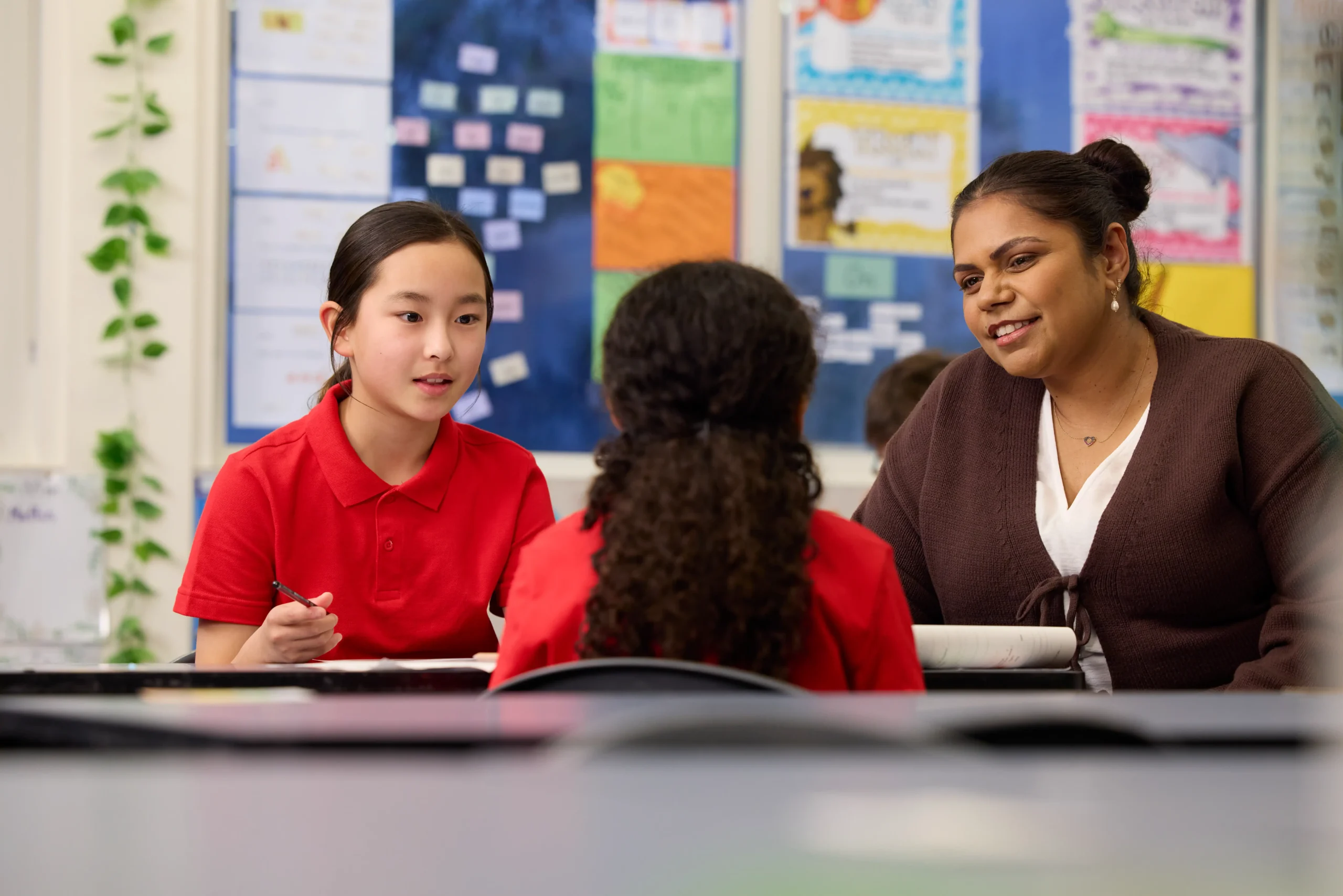
Today’s primary classrooms are more diverse than ever. A single classroom may include students from different cultural backgrounds, children learning English as an additional language, neurodivergent learners, and students navigating social or emotional challenges.
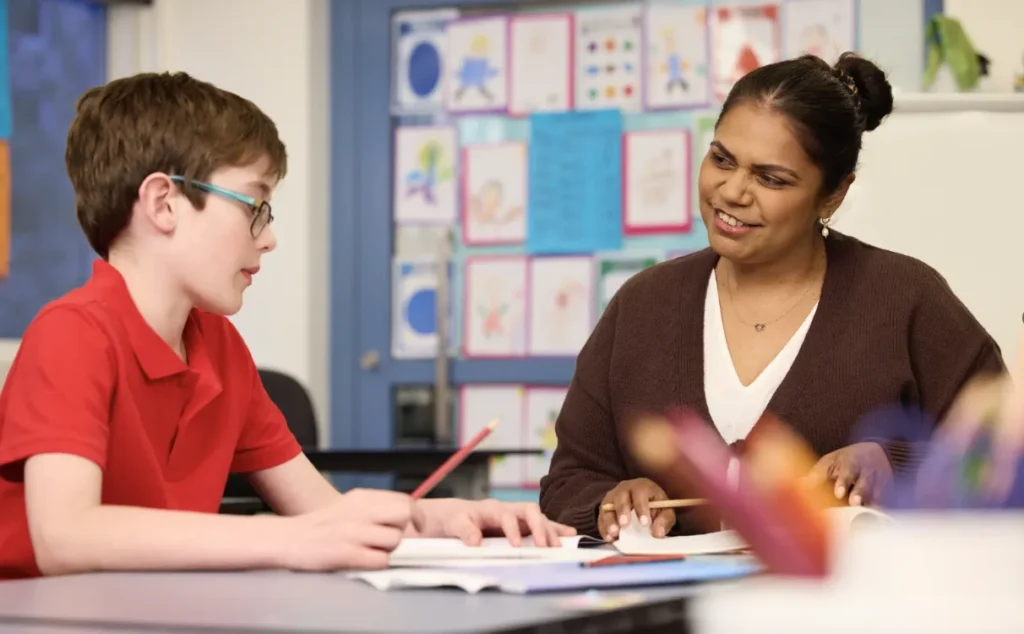
While theory provides an important foundation, the skills teachers need today reflect the realities of modern classrooms: adaptability, empathy, communication, inclusion, and digital confidence. These are skills that continue to matter long after students leave school.
Across Australia, schools are looking for educators who can lead classrooms with empathy, flexibility, and curiosity. That’s why teaching degrees are evolving to reflect practical classroom needs.
At Swinburne Online, students build practical teaching skills through real classroom placements, collaborative online learning, and immersive teaching simulations designed around the realities of modern education.
Adaptability for diverse classroom environments
Primary teachers now work across a broad mix of learning needs, communication styles, and classroom dynamics. Classrooms benefit from educators who can think on their feet and adjust their teaching in ways that help students stay engaged and confident.
This might involve:
- reshaping activities for different learning levels
- using visual, verbal, and hands-on teaching approaches together
- responding calmly to behavioural challenges
- supporting students through emotional or social difficulties
- finding new ways to encourage participation
As technology and educational expectations continue to evolve, future teachers need the confidence to adapt in classroom environments that are constantly changing.
The Bachelor of Education (Primary) and the Master of Primary Teaching (Primary) helps students develop practical classroom management skills, curriculum planning experience, and an understanding of child behaviour and development.
The Bachelor of Education (Primary) allows Swinburne Online students to access unique development opportunities as part of the Access Quality Teaching Initiative, giving them experience in regional, remote, and/or lower socio-educational schools in Victoria to provide an experience working in diverse classroom environments.
Communication that supports student learning
Children often remember how a teacher made them feel long after the lesson is over. Their experience is largely shaped by how teachers communicate, and this influences their confidence, participation, and the overall classroom environment.
Strong teachers know how to explain ideas clearly while making students feel comfortable enough to ask questions, contribute ideas, and make mistakes.
Some learners need visual explanations, while others respond better to storytelling, examples, or collaborative discussion.
Primary teachers also communicate constantly outside the classroom. They work with parents, carers, support staff, and school leadership teams to help students succeed.
Highly developed communication skills help teachers:
- build trust with families
- encourage quieter students to participate
- give constructive feedback
- create positive classroom relationships
- support collaboration and peer learning
This ability to connect with people is one reason teaching remains such a deeply human profession.
Digital literacy in modern primary teaching
Technology is woven into how students learn, communicate, and access information.
For teachers, digital literacy means using technology in ways that improve learning.
That might include:
- creating interactive classroom activities
- supporting visual or collaborative learning
- tracking student progress
- adapting content for different learners
- helping students build safe online habits
Digital learning tools also help teachers make classrooms more accessible and engaging for students with different learning needs.
Swinburne Online integrates media-rich learning materials and immersive teaching simulations into its education degrees, helping students build confidence before stepping into professional placements.
Emotional intelligence in the classroom
Primary teachers work closely with children during important developmental years, where students’ feelings, concerns, and personal experiences play a daily role in how they learn.
Students need teachers who can:
- recognise when a child is struggling
- respond calmly under pressure
- create emotionally safe learning environments
- encourage resilience and confidence
- support positive classroom relationships
A supportive teacher can completely change how a child feels about school and learning.
This is also why many schools across Australia are placing greater emphasis on student wellbeing alongside academic performance. Children learn best when they feel secure, connected, and supported.
Inclusive teaching for diverse learning needs
Inclusive teaching is now a core part of Australian education. Students learn more effectively when they feel respected, represented, and able to participate in the classroom environment around them.
At Swinburne Online, students in the Master of Teaching (Primary) explore inclusive teaching practices alongside child development, curriculum knowledge, and classroom management skills designed for contemporary Australian schools.
Inclusive teaching practices may include the following:
- flexible learning activities
- differentiated assessment approaches
- culturally responsive lesson planning
- accessible learning materials
- collaborative group work
- wellbeing-focused classroom management
Future teachers need to understand how equity, diversity, and inclusion shape learning outcomes in real classrooms.
Experiences like these help future teachers develop a broader understanding of how classroom environments, community context, and student wellbeing can shape learning outcomes.
Building confidence through practical experience
Supporting diverse classrooms is something future teachers learn in practice, not just in theory.
Professional placements help teaching students understand the pace and unpredictability of real classrooms. Students have the opportunity to apply strategies, observe experienced educators, and gradually build confidence leading lessons themselves. This is where key skills like adaptability, communication and inclusive teaching are developed in real settings.
For many students, this practical experience becomes the moment teaching starts to feel real.
For Swinburne Online students studying the Master of Teaching (Primary), the course is structured around four Teaching Periods aligned with school terms. This structure aligns more closely with the school year, helping students integrate placements alongside their studies and maintain consistent engagement throughout the course.
Explore the following courses:
You can also speak with a Course Consultant about the pathway that fits your goals.
Publish date: 15 July 2026
*Please note that fees and/or statistics are subject to change each year.